金属リサイクル研磨機
金属リサイクル研磨機は、お客様と金属表面処理ソリューションについて話す際によく言及される機器の一種です…
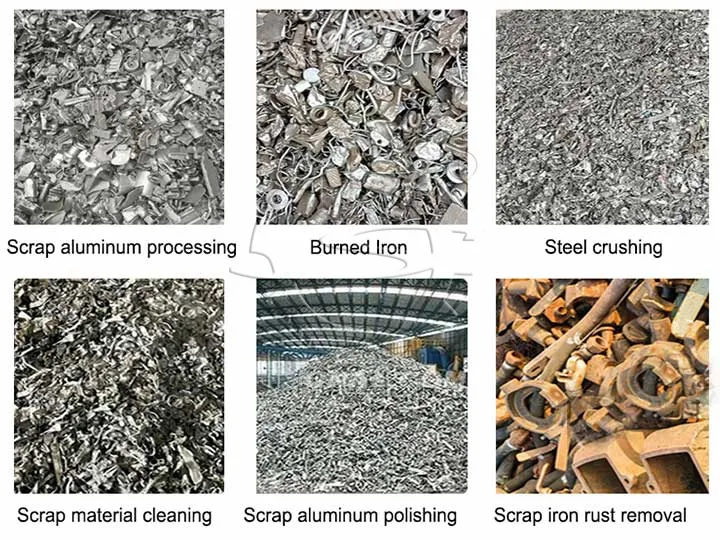
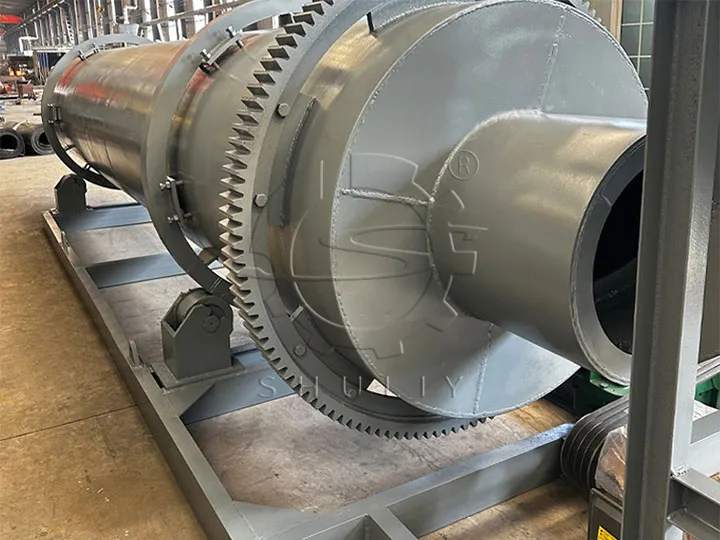
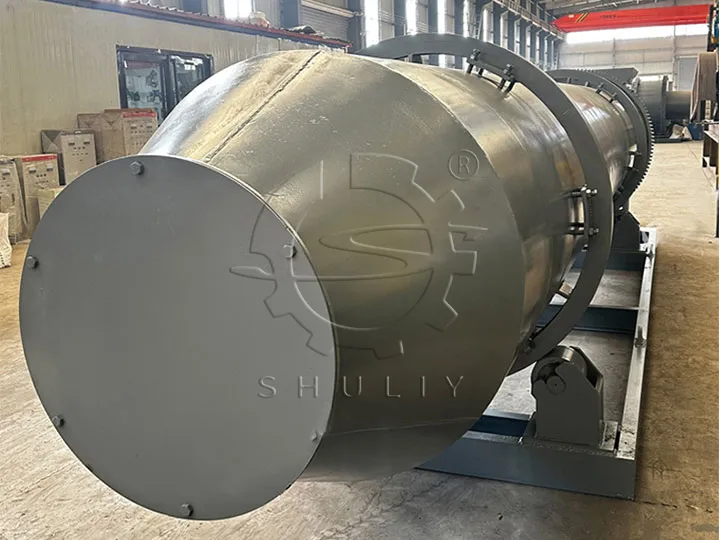
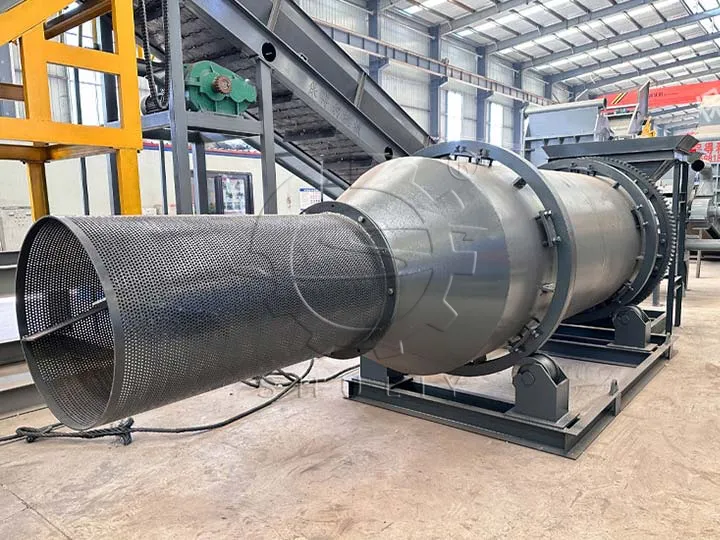
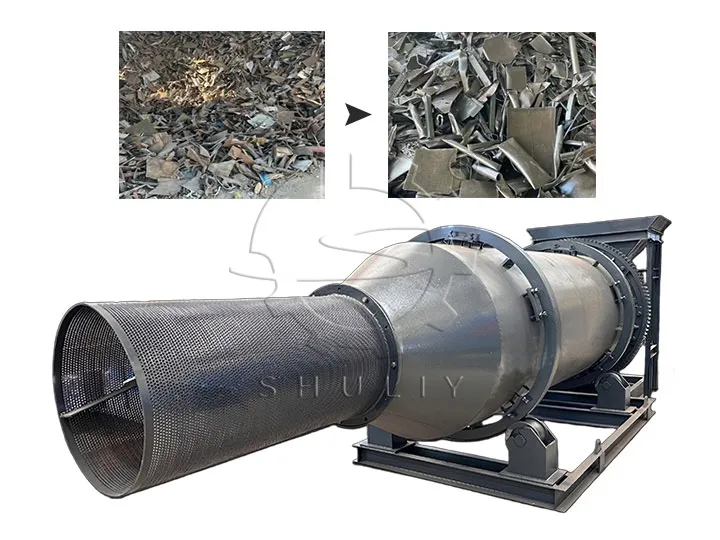
金属リサイクル研磨機は、お客様と金属表面処理ソリューションについて話す際によく言及される機器の一種です。多くの顧客は、スクラップのアルミニウム、焼き付いた鉄、粉砕された金属材料を扱う際に、錆や油を除去し、表面仕上げを改善し、信頼性の高い操作と簡単なメンテナンスが可能な機械があるかどうかを尋ねます。これらの実用的なニーズに基づき、私たちは通常、このドラム型金属研磨機(別名:金属乾式研削機)を推奨します。
概要:用途とコア機能
顧客とコミュニケーションをとる際には、まず材料の種類と処理目的を確認します。この機械は主に次の用途に適しています:
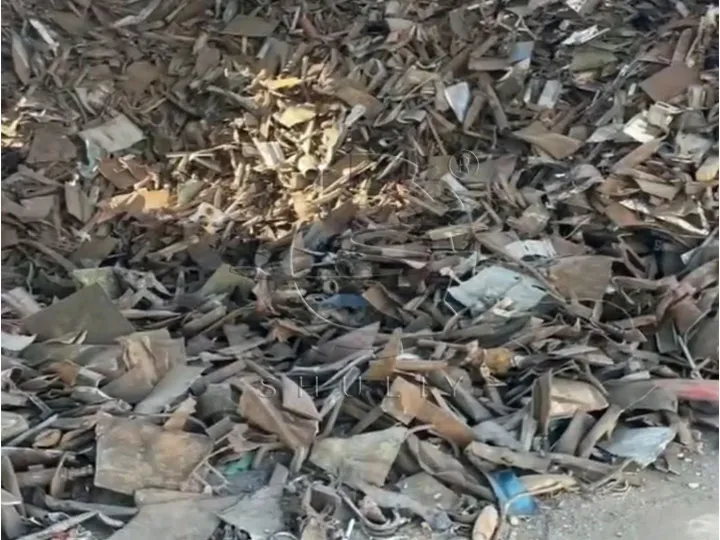
- 金属、焼き付いた鉄、粉砕された材料
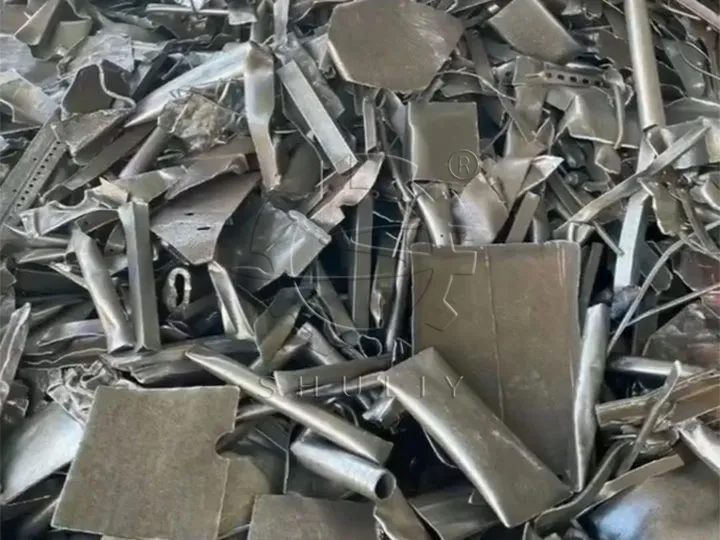
- ステンレス鋼、スクラップアルミニウム、スクラップ鉄
- 非鉄金属および一部の非金属製品
- 油や錆びたワークピース
その主な機能は次のとおりです:
- バリ取り
- 錆除去
- エッジの丸め
- 明るい表面研磨
For easily deformable workpieces, customers are often concerned about dimensional accuracy. We usually emphasize that this metal recycling polishing machine can maintain the original shape and dimensional accuracy while improving surface roughness by 1–2 grades, making it suitable for medium to large-sized parts.


Working Principle: How It Removes Oil, Rust, and Polishes
When customers want to understand the machine in more detail, we explain the working process in a straightforward way.
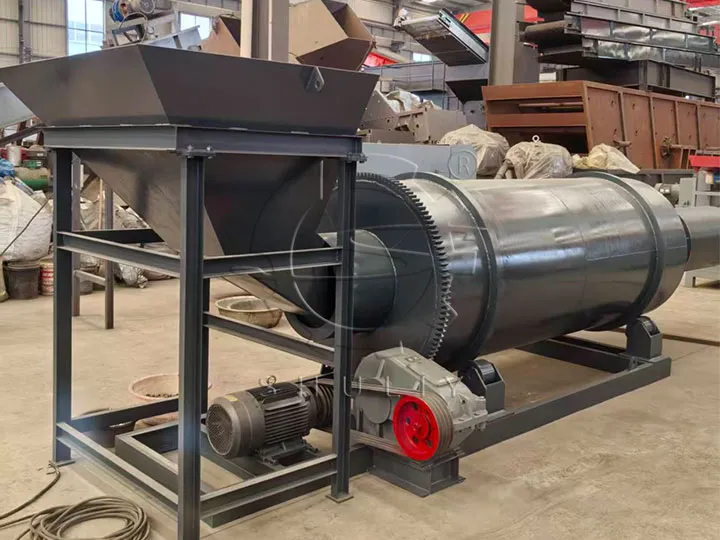
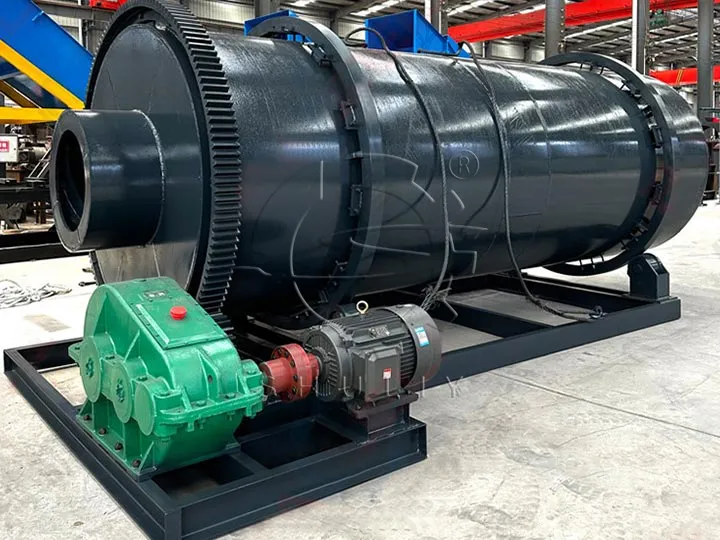
This metal recycling polishing machine is driven by an electric motor connected to a reducer, which rotates the drum. During operation:
1. Materials are conveyed into the drum by a conveyor
2. The drum is equipped with guide plates and turbulence plates
3. As the drum rotates, materials and abrasive media continuously undergo:
- Throwing
- Tumbling
- Friction
- Mixing
4. The abrasive media absorbs oil and rust from the material surface
As a result, the process achieves:
- Degreasing
- 錆除去
- Surface polishing
This machine is especially suitable for materials with a diameter of less than 400 mm, particularly oily or rusty scrap aluminum and metal materials.
Structural Advantages: Stable Operation and Durability
In purchasing decisions, customers care not only about performance but also about durability and reliability. We usually highlight the following structural features:
High-Strength Aperture Gear
- Made of high-strength alloy
- One-piece casting
- Provides stronger stability and more reliable operation
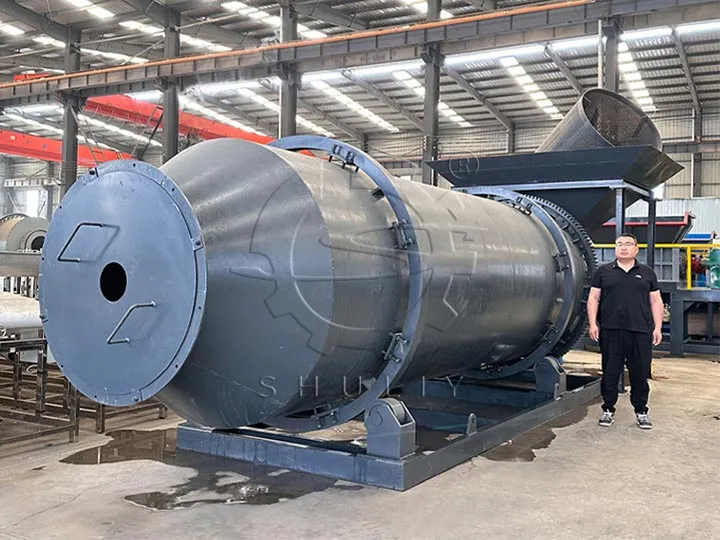
Wear-Resistant Body
- Manufactured with extra-thick steel plates
- Combined with advanced welding and polishing technology
- Ensures durability and safe operation
Optimized Feeding System
- Enlarged hopper design
- Ensures uniform feeding
- Prevents uneven output
These features help reduce maintenance costs and ensure continuous operation over the long term.


Application Scenarios: Standalone or Production Line Integration
In real projects, we provide different configurations based on customer needs.
Standalone Use
For small to medium-scale operations or single-process needs, the metal recycling polishing machine can be used independently for:
- Scrap metal surface cleaning
- Polishing aluminum and stainless steel parts
- Pre-treatment of oily components
Key Equipment in Production Lines
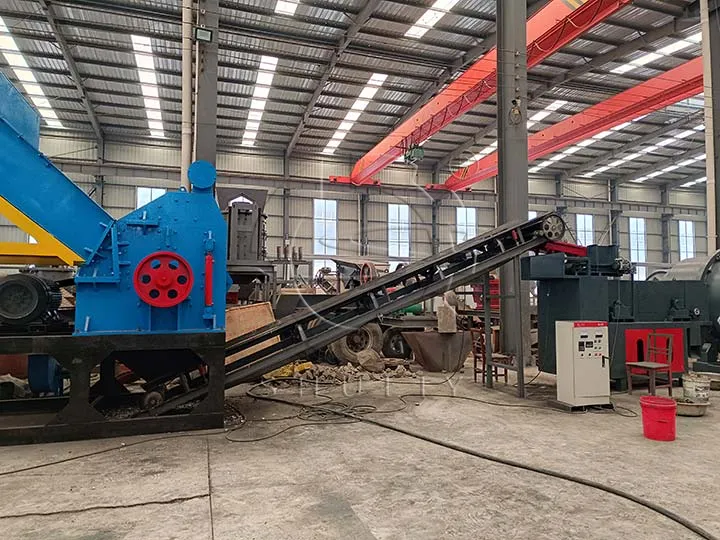
For larger recycling projects, this metal recycling polishing machine can be integrated into a full processing line. For example:
Aluminum profile or metal processing flow:
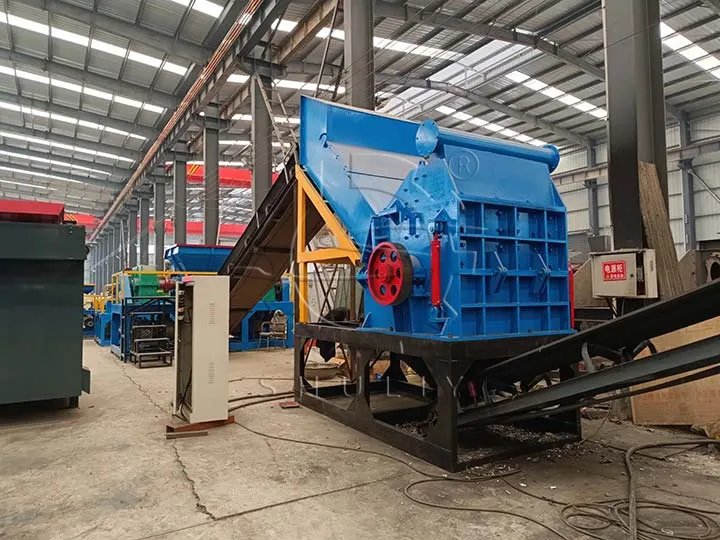
- Shredding-Metal Shredding Machine
- Crushing-Metal Crusher
- Sorting-渦電流分離機
- → Polishing in the drum machine


Maintenance and Service: Ensuring Long-Term Performance
Before making a final decision, customers often ask about maintenance. We typically recommend:
- Regular inspection of key components
- Routine maintenance according to guidelines
- Strict adherence to operating procedures
With proper use, the metal recycling polishing machine can operate stably and reduce downtime. We also provide reliable after-sales support to ensure a worry-free experience.


Contact Us for More Metal Recycling Polishing Machine Details
From our experience working with customers, the metal recycling polishing machine is not just a simple polishing device—it is a crucial step in metal recycling and reprocessing. Whether used as a standalone unit or integrated into a full production line, it helps improve material quality and increase overall value.
If you are handling burnt iron, scrap aluminum, or crushed metal materials and want to improve surface quality or increase product value, feel free to contact us. We can recommend a suitable configuration based on your material type, capacity requirements, and processing workflow.